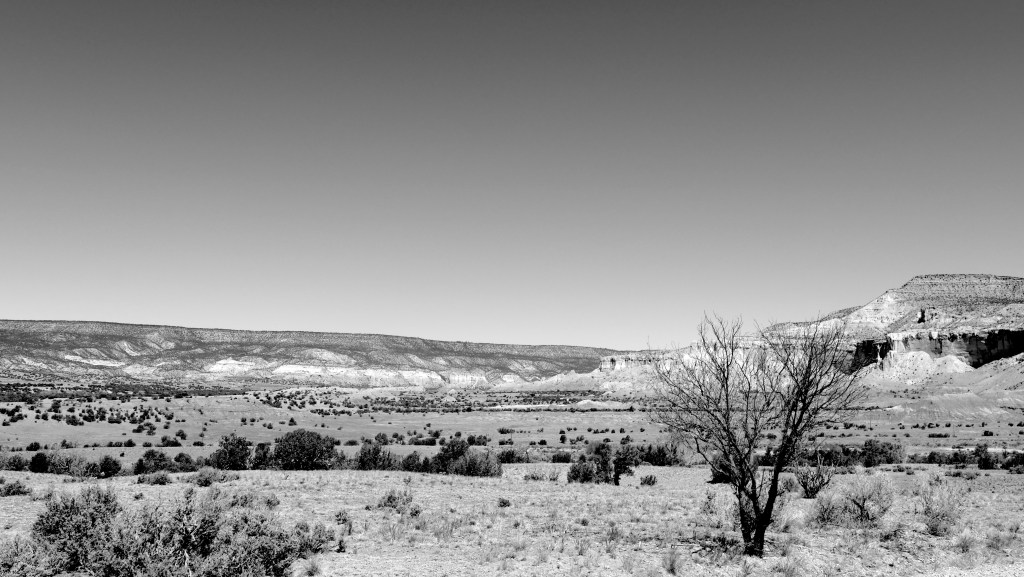
After our O’Keefe-themed day, we took another drive along the Turquoise Trail, which stretches 53 miles between Santa-Fe and Albuquerque and follows the famous Route 66. At Tijeras, “Gateway to the Turquoise Trail,” you’re invited to experience the Singing Road, which is 1,300 ft. of roadway installed with rumble strips that, when you travel at the speed limit, play “America the Beautiful.”
We missed the Singing Road, since we began at the Santa Fe end of the Turquoise Trail and didn’t make it to Tijeras, but maybe next time.
However, we did stop at Los Cerillos (pop. 229). At the Welcome Center, I read that the town was “actually considered” a potential state capital during its mining boom. The “actually” gives it all away. Cerillos has tumbled a long way from its heyday, when it attracted prospectors, investors and mine operators from across the U.S. and Europe. The surrounding hills are rich with silver, copper, gold, iron and other minerals and semi-precious stones. Indigenous people mined turquoise and other stones for thousands of years before the Europeans arrived. Today, the hills have been picked clean, and what’s left is uneconomical to dig up.
Lovely decrepitude
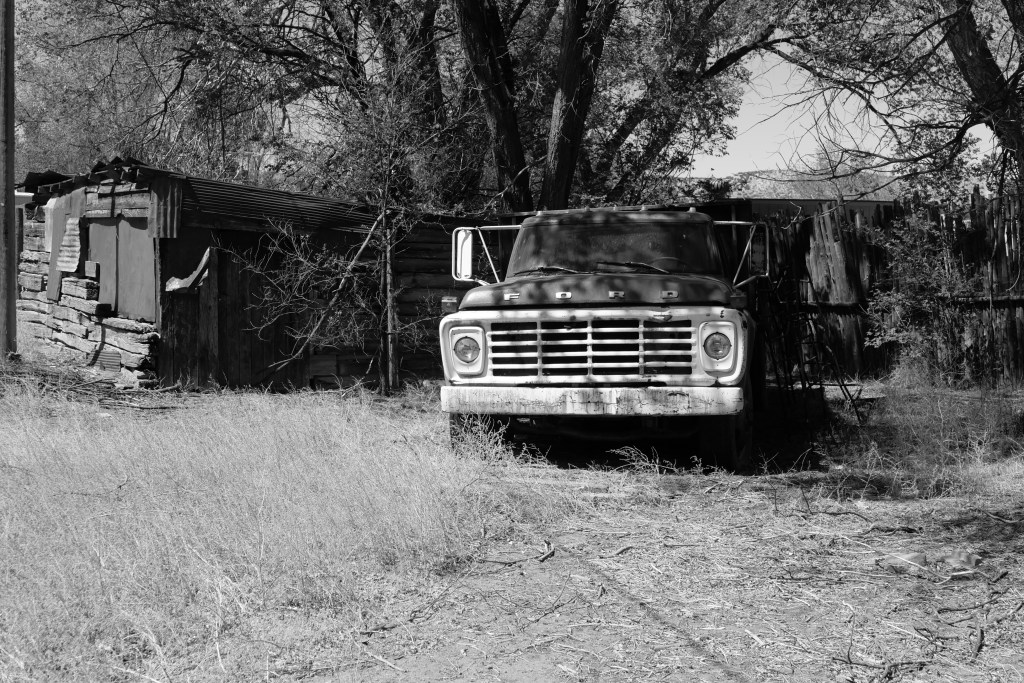
Cerillos is dusty, rundown, defiantly picturesque. Mostly dirt roads, ramshackle buildings and rusty barbed wire, but also a sprinkling of glossy art galleries and gated wealth. It’s hard to see whether the decrepitude is genuine or curated, as several movies have been shot here, so the Old West saloon you’re admiring may have been conceived on a sketchpad in Hollywood.
We parked in front of Mary’s Bar, whose faded sign could be the real deal (we’ll never know). Then, down a dirt road we finally locate Cerillos’s biggest attraction: the Mine Museum and Petting Zoo. The petting zoo is mostly chickens. As for the “museum,” it’s at the back of a souvenir shop, where you can rummage for hours among pieces of turquoise and other pretty stones.
A display of cheaply-made pamphlets caught my eye. Among them, one titled “New Mexico Bar Jokes.” Sample:
Q. Why did the American Siamese twins go to England?
A. So the other one could drive.
Madrid, New Mexico
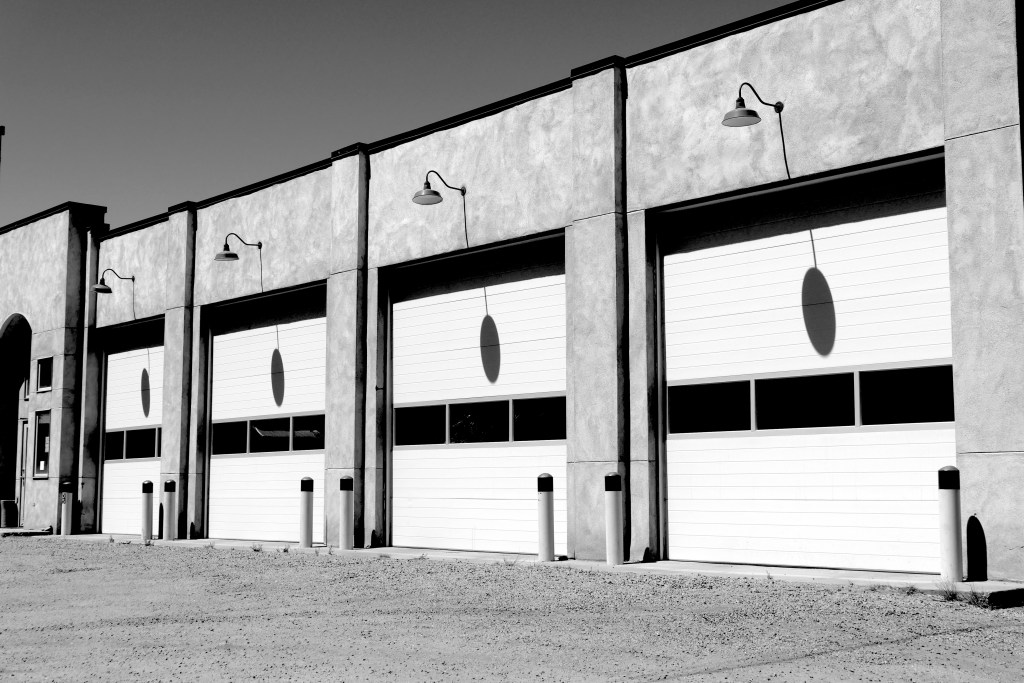
The next stop was Madrid (pronounced MAH-drid). When its coal mine shut down in the 1950s, Madrid became a ghost town. Today, it’s more animated than Los Cerillos, with cafes, restaurants, shops and motorcycle gangs thundering up and down the main road.
From our spot at Java Junction (coffee and cutting boards), bikers rumbled back and forth continuously. Small packs of giant men wearing identical patches, inscrutable behind their shades. There was a Hispanic MC, as well as hard-ass retirees in gleaming too-new bikes, tricked out with carriers and lights. I wondered how the wolves and lambs greeted each other at gas stations and bars, whether they ignored one another, whether there’s a protocol.
The biggest gang on parade was hard to identify. A turf war in Albuquerque has pitted the Banditos with the Mongols. But these bikers didn’t belong to either MC. Based on their patch, I thought they were the Devil’s Diciples (note the mis-spelling), which is an established criminal gang with tentacles in dozens of countries.
But I’ve since learned they could also be the Disciples. Aside from being better spellers, Disciples are committed to Jesus. They’re a Christian MC, with the standard beards, tats and tonnage.
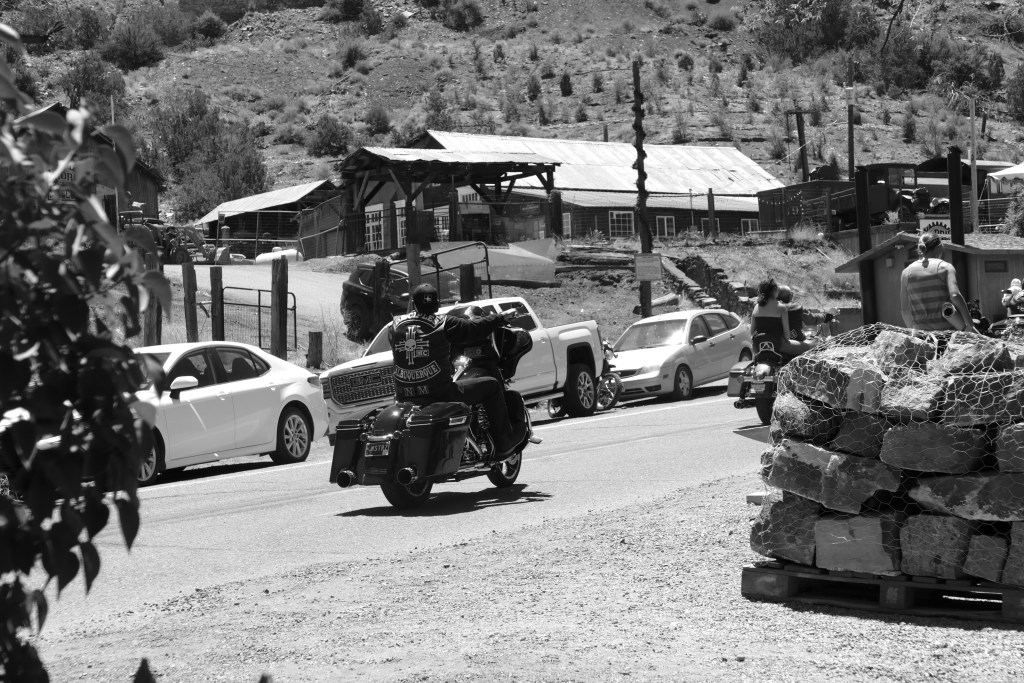
For a better look at these guys, I strolled over to the Mine Shaft Tavern & Cantina, which boasts the longest bar in New Mexico (motto: “Madrid has no town drunk. We all take turns.”). The tavern is perched high over the main street and is adjacent to the Madrid Mining Museum.
Above me, large heads bent over plates and chewed.












 because i said